Why private label
When you resell a brand, every other seller has the same product, and the price becomes the argument. With your own label you control the price and the listing. In return you carry the stock, the reputation and the duties that come with the name.
Which products to start with
Start with products that are easy to brand and have few document requirements:
- Hammocks: light, cheap to ship, prints well
- Dry bags and backpacks: a large area for your logo
- Picnic blankets: all-over print at a low unit price
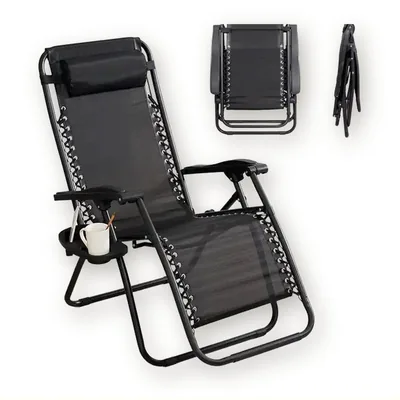
- Folding chairs: print on the backrest, though cartons are bigger
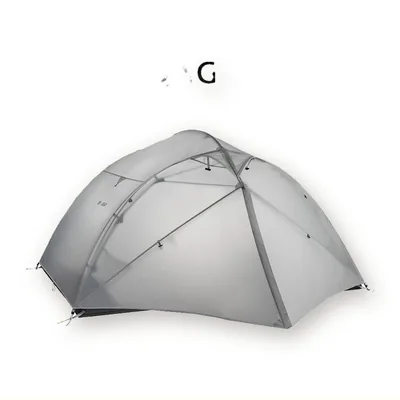
Leave these for later: power stations and other lithium products (dangerous goods shipping and battery rules), food-contact items if you are not ready for the paperwork, tents if you cannot yet deal with weather complaints, and gas appliances altogether until you have certified models.
Realistic minimums
- Logo on packaging or carry bag: often below 300 pieces, by product
- Logo on the product: from about 300 pieces per model
- Custom colours or fabrics: higher, set by the fabric minimum
- New mould or design: agreed per project, with tooling quoted separately
See our private label page for how this applies to each step.
Margin: work backwards from the shelf
Start from your target retail price, and subtract VAT, marketplace fee, advertising, returns and the margin you need. What is left is the most you can pay delivered. Here is an illustration with made-up numbers, not market figures:
| Retail price with 23 % VAT | EUR 60.00 |
| Net of VAT | EUR 48.78 |
| Marketplace fee | − EUR 9.00 |
| Advertising and returns | − EUR 8.00 |
| Margin you want | − EUR 12.00 |
| Maximum landed cost | EUR 19.78 |
Then compare it with a delivered price, not a factory price. For bulky camping goods the difference is large.
Duties that come with your name
Under GPSR Art. 13, selling under your own name or trademark makes you the manufacturer. Own-brand packaging can also make you the manufacturer under the Packaging Regulation (Art. 21). Discuss this with your adviser early, and register your trademark before you invest heavily in the brand.
A first range, step by step
- Pick 3–5 products and order samples
- Prepare your logo, colours and packaging design
- Approve a branded pre-production sample
- Order a first batch at the minimum, inspected before shipment
- Sell through the season, then reorder the winners
For a spring launch, a working date for the order is the end of November or December. The how it works page shows the timeline.